Daily planner vs weekly planner: Which one is best for moms?

When I started using planners over 25 years ago, my world felt overwhelming. Five kids, endless chores, and appointments filled my days. Today, with 14 lively grandkids, planners still keep me organized and smiling.

What’s the real difference between daily and weekly planners?
The first step in choosing a planner is understanding the difference between daily and weekly options.
Daily planners
Daily planners dedicate pages to each individual day. They offer detailed spaces to list appointments, chores, and tasks hour by hour. They’re perfect if you love solving life’s details one step at a time.
Weekly planners
Weekly planners, on the other hand, display your entire week within one or two pages. They give you a birds-eye view without getting bogged down in minute details. Weekly planners provide a comfortable snapshot, ideal for busy moms trying to simplify daily chaos.
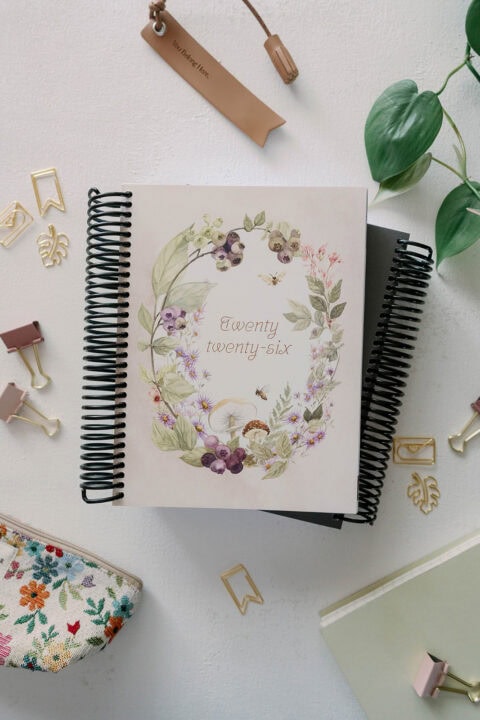
Why weekly planners work best for busy moms
I’ll share what I’ve learned through decades of motherhood: weekly planners usually make life way easier for busy moms. Why do I say that?
As moms, we already do a lot without needing reminders. For example, I don’t need to remember to feed my kids or do laundry—these things happen naturally. A daily planner often feels cumbersome and overwhelming with details I don’t need to manage.
Weekly planners reduce overwhelm. They make planning manageable, offering quick references for appointments, to-do lists, and meals.
If you’re busy juggling motherhood responsibilities, a weekly planner might offer exactly the calm you crave.
3 Things moms should look for in a weekly planner
- Clear Monday-to-Sunday layout: Make sure the planner clearly groups your entire week together. Ensure your weekend (Saturday and Sunday) remains on the same page for easy reference.
- A dedicated to-do area: It’s nice to have a general tasks section separate from specific days—this keeps daily clutter to a minimum.
- Meal-planning space: Having a spot to plan (or record) meals is a huge help for successful grocery shopping and calmer evenings.
Though I’ve designed my own planner around these ideas, you can find these features in plenty of other planners, too.

Should you use both daily and weekly planners together?
My personal recommendation is to choose just one type. Switching between two planners can feel complicated and might add unnecessary stress. We’re going for simplicity here to streamline motherhood’s daily demands.
When daily planners make sense
Although I prefer weekly planners, daily planners can be perfect for certain people. For those who love minute-by-minute scheduling (like planning a 5:02 AM bread-making session!), daily planners are fantastic.
Typically, daily planners suit business professionals or anyone scheduled with appointments all day. They can be especially beneficial for people needing extra structure and detailed reminders.
Why paper planners still win over digital
Call me old-fashioned, but I absolutely love paper planners. Even with the convenience of smartphones, I enjoy physically writing down my tasks and seeing everything spread out before me. Digital options on small screens never quite give me that same satisfaction or clarity.
Choosing a paper planner helps me visualize and retain what’s coming next. It adds joy to everyday planning with cute pens, notes, and even paper clips marking my spot.
A bonus organizational tip for the whole family
One idea that works well alongside a weekly planner is a monthly dry-erase family board. You can mount it somewhere everyone sees, like the kitchen.
This lets your kids understand upcoming dentist appointments, piano practices, and soccer games. It promotes clear communication and calms the household chaos by keeping everyone informed.
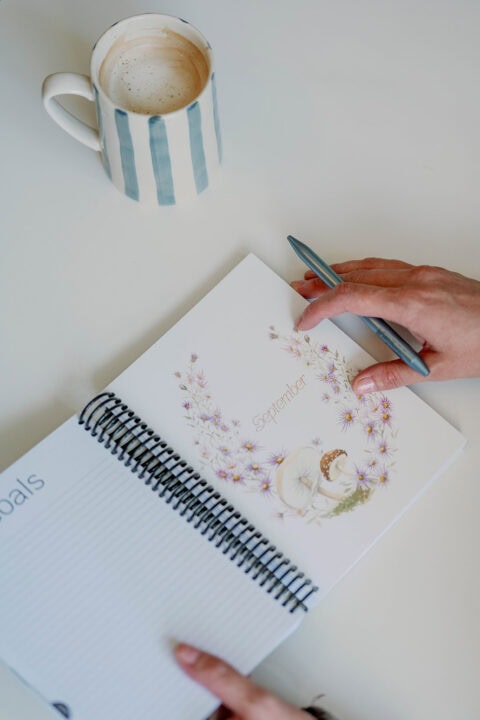
My tested approach to weekly planning
I’ve faithfully used a weekly planner for over 25 years. Each morning, after enjoying some coffee and greeting my grandkids, I open my planner.
I confirm appointments, review upcoming tasks, and record what we ate for meals. Anything I didn’t accomplish gets moved to the next week—and that’s okay.
Planning clears space in my mind. Instead of frantically remembering tasks, I can relax and spend time crocheting or baking goodies for my grandkids.
One heartfelt final recommendation
Above all, just start writing things down. Keeping track doesn’t have to be complicated. It doesn’t require stickers or fancy designs—simple works wonderfully.
An extra tip: try noting additional things in your planner like temperatures, special events, or funny things the kids said. In the future, looking back at these small reminders brings immense joy.

In closing
Your planner becomes more than just a scheduling tool. Over time it transforms into a personal diary filled with memories and small details you might otherwise forget. Pick a planner that brings you joy and that you’ll look forward to revisiting later in life. It’s these ordinary, everyday moments you’ll cherish most.
